11/23/2004

西班牙山城隆达 Ronda, Spain


Ronda, Spain.

One of the prettiest and histori towns in Andalucia, Ronda is a world apart from the nearby Costa del Sol. Straddling the 100 m savagely deep and steep El Tajo gorge, Ronda was a pivotal commercial center in Roman times. Fortunes dwindled under Moorish rule after Al Mutadid ibn Abbad drowned the ruling lord in his bath and annexed the city for Sevilla. More recently, Ronda--the birthplace of modern bullfighting--has attracted such forlorn artists as Rainer Maria Rilke, who wrote his Spanish Elegies here, and Orson Welles, whose ashes are buried on a bull farm outside of town.
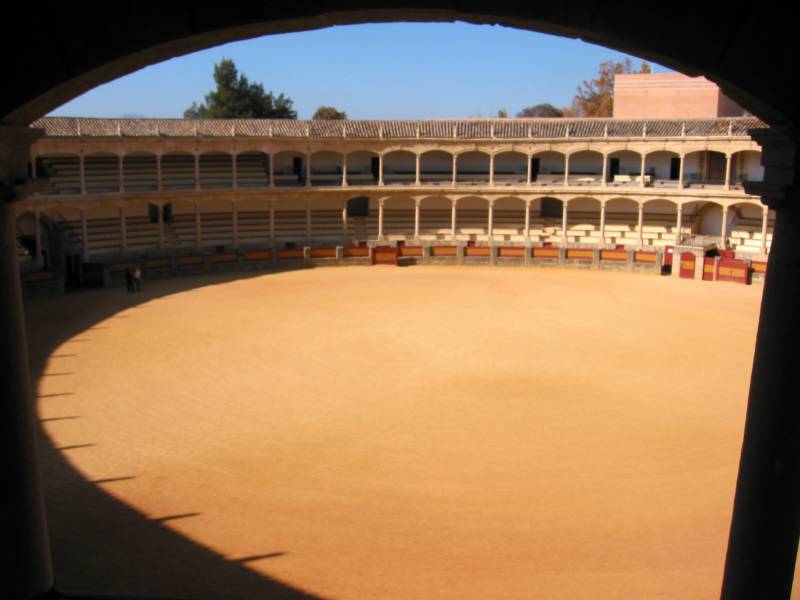

Ronda's Plaza de Toros was inaugurated in 1785. It is regarded as the world's most beautiful bullring, and among the oldest in Spain.
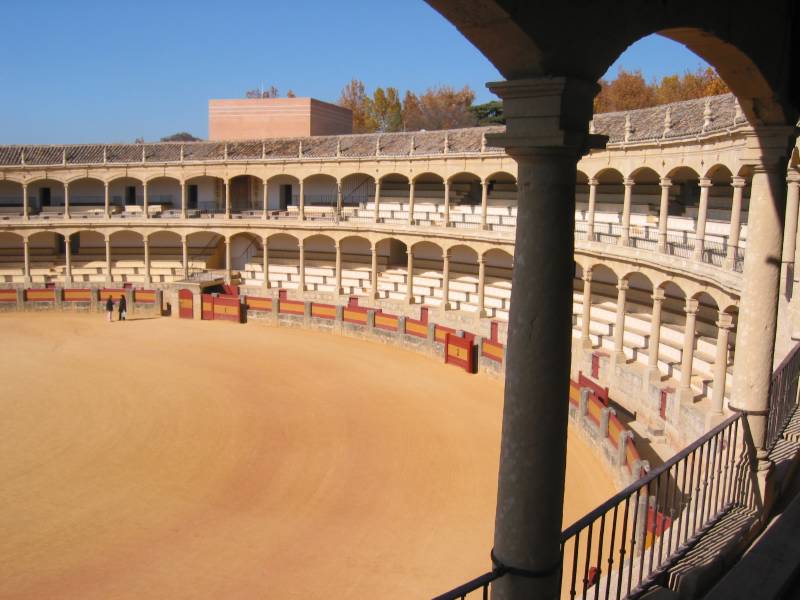

Ronda's Plaza de Toros (1785), the home of bullfighting and a mecca for aficionados.


Ronda's Plaza de Toros bullring.


Ronda's Plaza de Toros bullring.


Ronda....lost for words.


Valley of Ronda, beautiful, beautiful, beautiful...


Carved by the Rio Guadalevir, Ronda's gorge falls 100m below the Puente Nuevo (18th-century), across from Pl. Espana. Arrested highwaymen were once held in a cell beneath the center of bridge; during the Civil War, political prisoners were thrown from the top.


Ronda the town on the cliff.


Sixty meters below the Casa del Rey Moro lies an Islamic well constructed during the 1300s. Four hundred Christian prisoners were once employed in the arduous task of drawing water from the river Guadalevir. We climbed down a series of passageways and stone steps to survey the ravine's depths.


Ronda, the charming hill town that Hemingway, Orson Welles and Madonna fall in love to.


Mountains and fields of olive trees outside Ronda.


Street of Ronda.


Jamon store, Ronda.


Moon over Arcos de la Frantera. "Imagine a long, narrow bridge, undulating; place on it little white houses, clustered among others more ancient; imagine that both sides of the mountain have been cut away, dropping downward sheer and straight; and at the foot of this wall a slow, silent river, its murky waters licking the yellowish stone, then going on its destructive course throughout the fields... and when you have imagined all this, you will have but a pale image of Arcos." -- Azorin.

11/22/2004

西班牙太阳海岸 Costa del Sol, Spain


Nerja of the Costa del Sol, stunning ocean view.


Balcon de Europa, the view from our lunch table. Nerja.


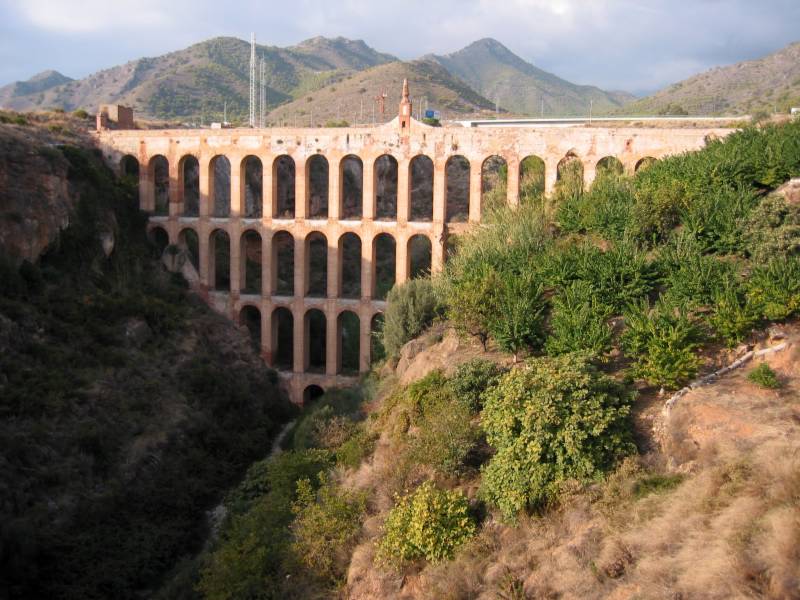
Nerja aqueduct.


The caves of Nerja, located in the slopes of Sierra Almijara mountais, has the largest column in the world.


Nerja cave, with the largest column in the world.


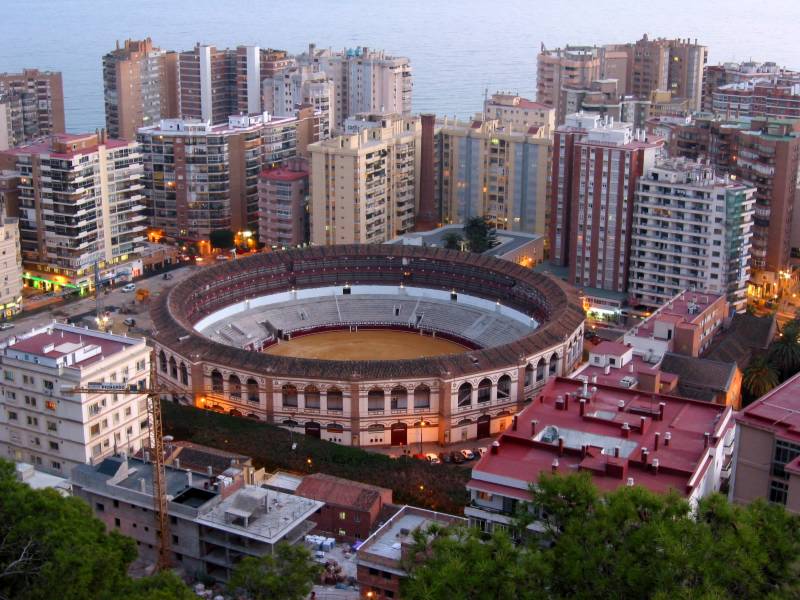
Malaga bullring in the sunset.


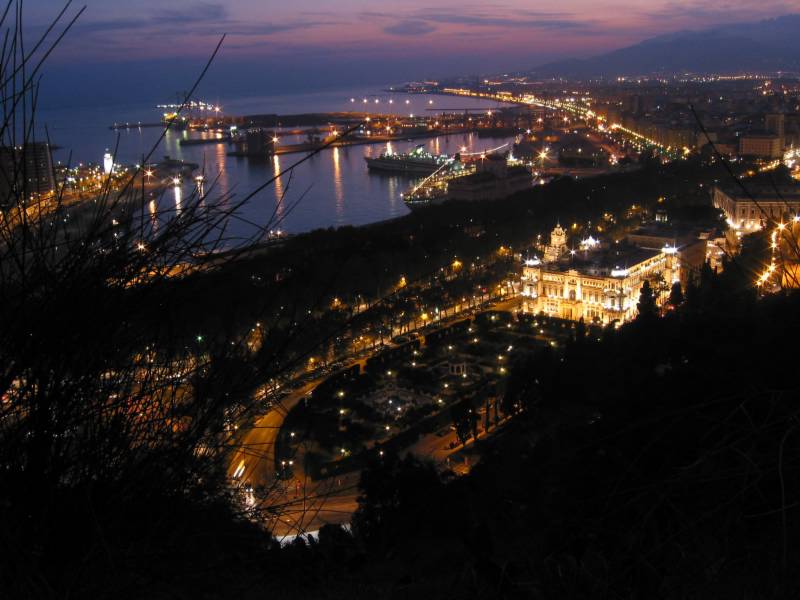
Malaga port at night.


Alcazaba and Teatro Romano under the moon, Malaga.


Statue in Malaga's cathedral.


Street of Malaga at night.


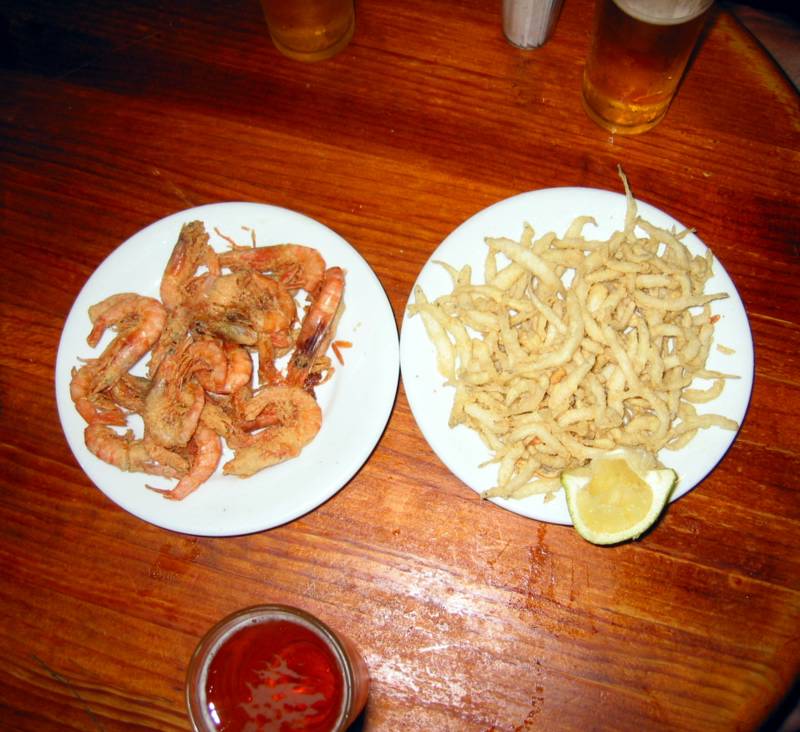
Our first seafood tapas and beer, Malaga.


Tapa bar in Malaga.


Bars at night, Malaga.

11/21/2004

西班牙阿兰惠斯王宫 Aranjuez and Jaen, Spain

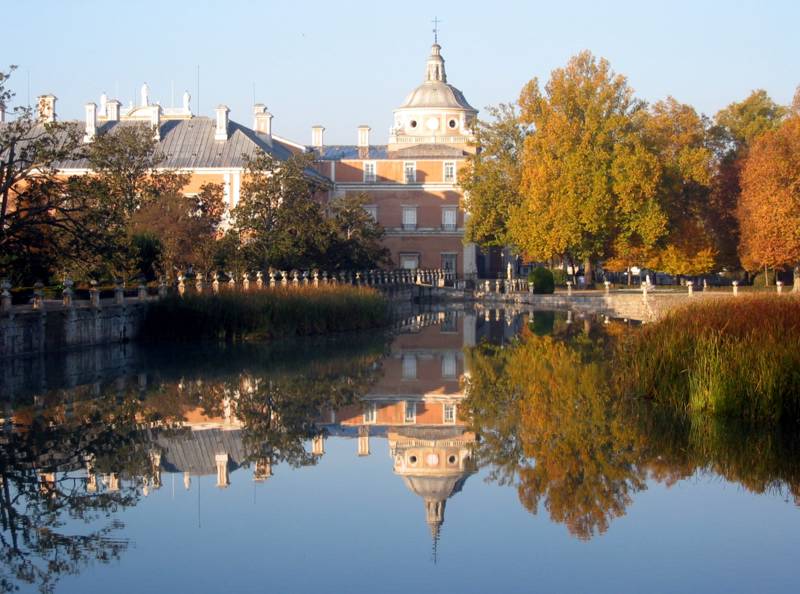
Arriving at Madrid airport early Sunday morning, we took a rental car and drove south. Aranjuez was our first stop. We were hoping to find breakfast, but nothing was open at the early hours. Instead we found a Royal Palace in the morning light of autumn, quiet, cool, and still. Beautiful gardens and water designs.


Reflections. Palacios Real de Aranjuez, Royal Palace, Spain.


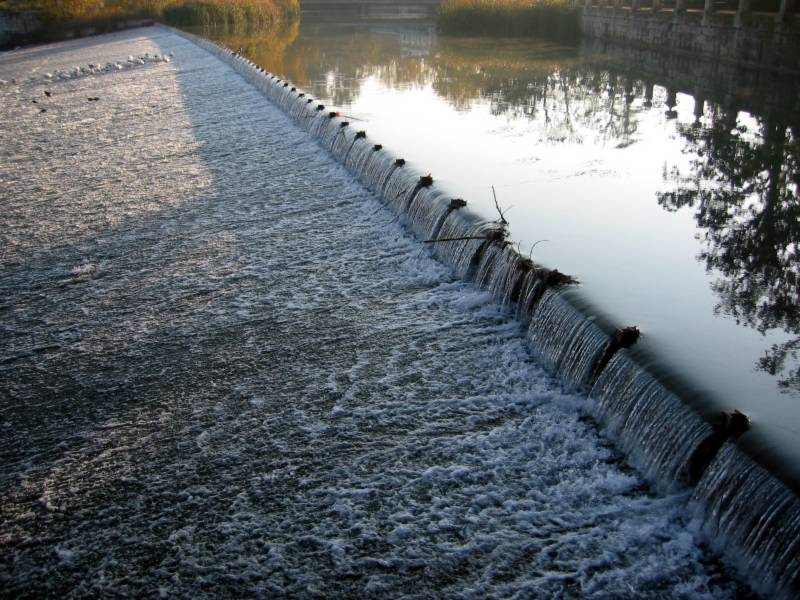
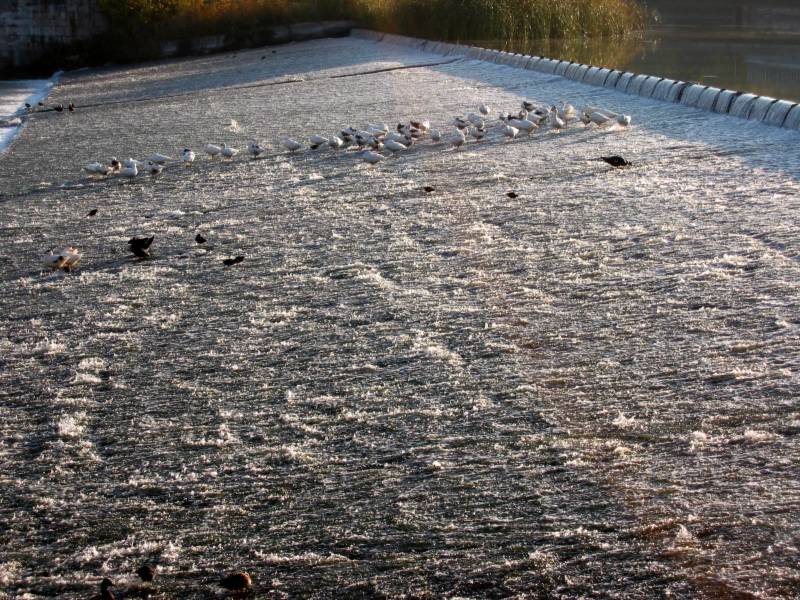
Waterfall in the garden of Aranjuez Royal Palace. I was mesmerized by the still and the moving water, like those birds.


Waterfall in the garden of Palacio Real de Aranjuez, Spain.


Garden of Aranjuez Royal Palace, Spain.


Royal Palace of Aranjuez.

Situated between the rivers Tagus and Jarama, it was already used as a royal residence in the time of Ferdinand and Isabel the Catholic. Philip II began the present palace with the same architects who worked on El Escorial, Juan Bautista de Toledo and Juan de Herrera. It was completed in the reign of Ferdinand VI, and two further wings were added in the time of Charles III.

The garden known as Jardín de la Isla (Island Garden) is surrounded by the Tagus and by an artificial channel called La Ría that separates it from the Palace. It contains mainly Italian ornamental fountains from the 16th and 17th centuries. This is considered the most important and characteristic Spanish garden dating from the time of the Habsburgs.


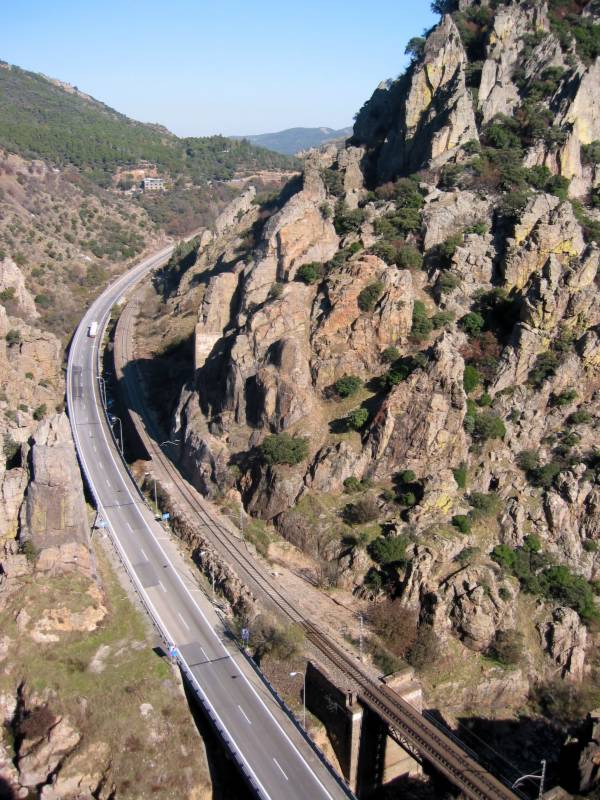
rocky terrain further south.


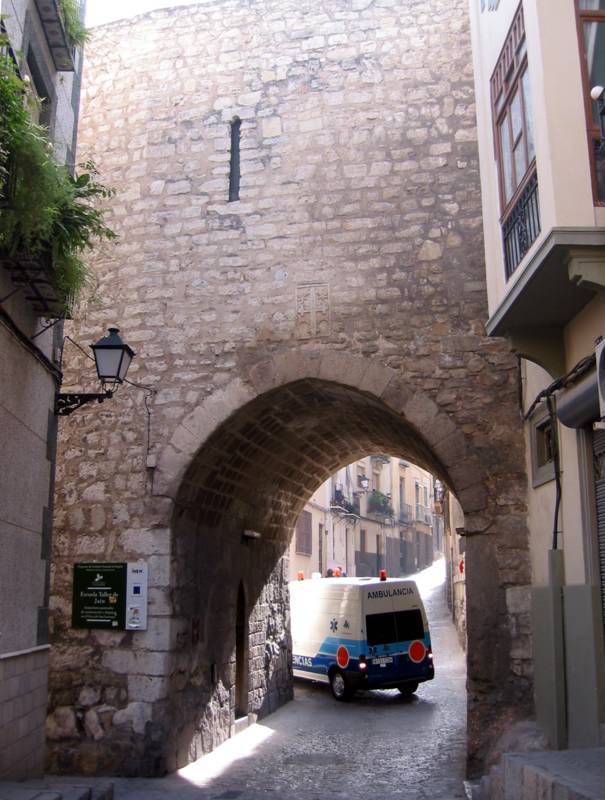
Jaen. The streets were so narrow that I scratched the rental car. :(


Catedral de Santa Maria, Jaen.

11/12/2004

Louisville, Kentucky


What do you call it?


Bridges across Ohio River, Louisville, KY.


Ohio River, Louisville, KY.


Old steam boat on Ohio River, Louisville, KY.


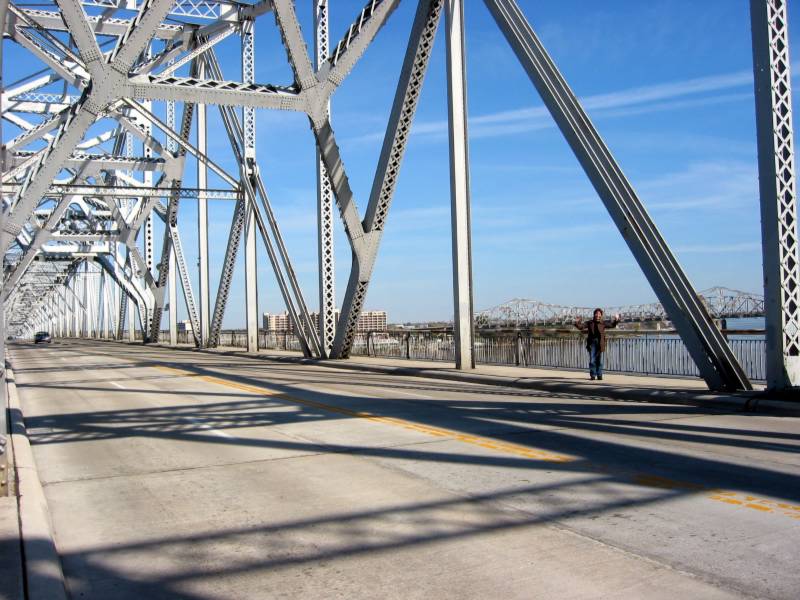
A walk across the bridge over Ohio River.


View of Ohio River and Louisville from the bridge. A very long barge.


Churchill Downs of the Kentucky Derby.


Churchill Downs of the famous Kentucky Derby, Louisville.


The last horse race of the day at Churchilll Downs, Louisville, Kentucky.


Sunset at Churchill Downs, Louisville, Kentucky.


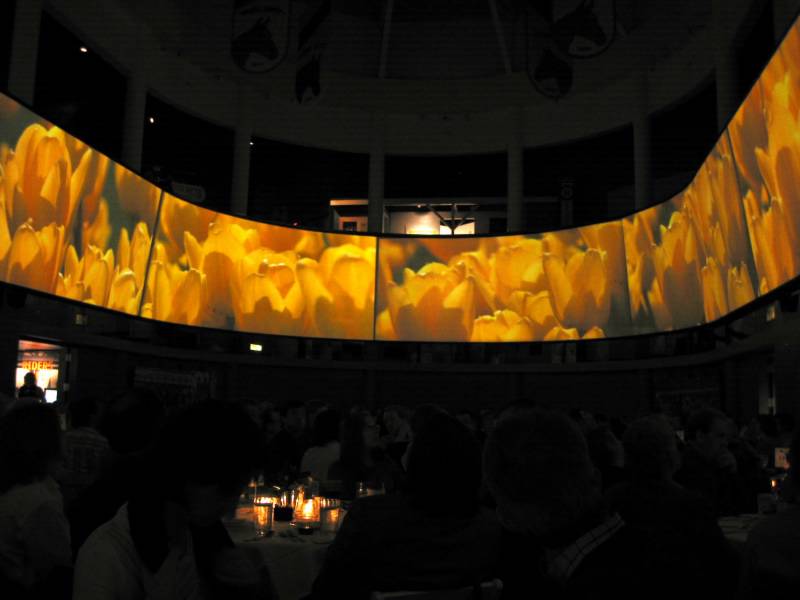
Roses. 360 degree movie theater at the Kentucky Derby Museum during DPS banquet.


360 degree movie theater at the Kentucky Derby Museum during DPS banquet.


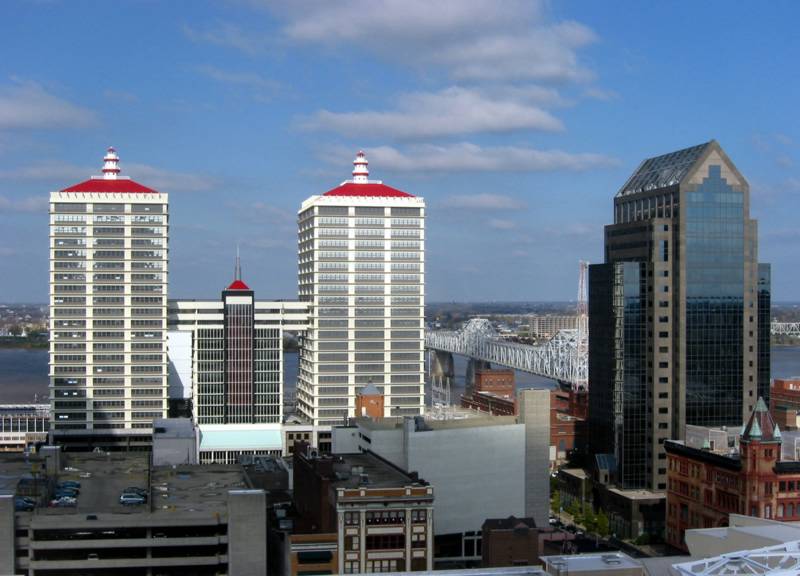
Kentucky downtown and Ohio River from the top of Hyatt hotel.


Downtown Louisville.


Louisville evening from Indiana.


Louisville evening from Indiana across the Ohio River.

9/30/2004

丝绸之路小结 Silk Road afterview

I am back to Ann Arbor finally. But I have been sick for 2 weeks. Seems every time I go back to China I get sick--no longer used to the polluted air. I had to carry the x-ray of my lungs with me to the airport in case the airlines suspected me having SARS. Funny.

I was in Beijing for 4 days and then went to Zhengzhou to attend a family gathering. After that I flew to Kashgar (Kashi) in Xinjiang and started my Silk Road journey. In the next 11 days I traveled through Turpan, Jiayuguan, Dunhuang, Lanzhou, Xining (Qing Hai Lake), Tianshui, and arrived in Xi'an.

The Silk Road is marvelous. I had heard about it so much before but never imagined it to be so, different. Any traveler would greatly enjoy this part of the world--the driest desert and nothingness, and then civilizations striving and flourishing and lost and rediscovered. I started from the west most part of China--Kashgar (near some *stan countries--Kyrgyzstan, Tajikistan, Kazakhstan, etc. where I would love to visit one day) and took the train eastward back to Chinese civilization. At the beginning of the trip I felt I was in a completely foreign country where nobody spoke any Chinese. One guide book describes Kashgar as the time of 1001 Nights, and it seems true. Kashgar was one of the most rewarding parts of my trip. Going east I saw more and more Chinese influence and I visited places that I read many many times in books and poems and stories when I was growing up. I understood what our ancient poets meant when they talked about desolation and exile.

From the air some of the areas look absolutely like Mars!

Xinjiang from Above

I got sick when I reached Xi'an. I visited my relatives there and then I went to Hong Kong and stayed with my parents. I did not get out of the house (except to see doctors) for a whole week. Afterward, I flew back to the San Francisco, went down to LA to pick up a car, drove back to Michigan. On the way I stopped in the Colorado mountains to visit a friend.

Most of my trip was largely seeing old faces. I counted: since I left Ann Arbor 5+ weeks ago, I had met over 60 old friends and relatives from all the way back to kindergarten days through elementary school, middle school, to graduate school days (my high school and college days were very elusive and left almost no friends). Everyone was happy to see me and wanted to talk to me and I wanted to talk to everyone. I stayed up several nights to talk to friends. Naturally the trip was exhausting and no wonder I got sick.

I took many pictures of the beautiful region I traveled, but sadly I don't have much time to write a travelogue or even write captions to my photos. Lots and lots of stories. Anyhow, with great difficulties I selected 10% of my pictures and put them online, at:

http://caltechc.caltech.edu/~asw/SilkRoad2004/

Next time it is definitely Nepal and Tibet.