【文学城世界风情】丝绸之路之一:壮丽新疆
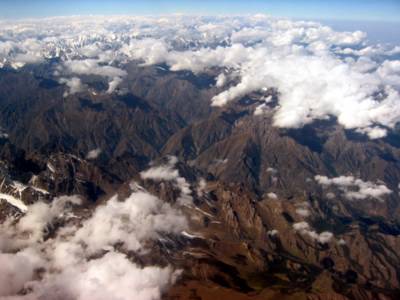
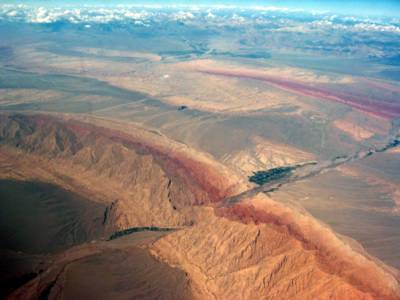
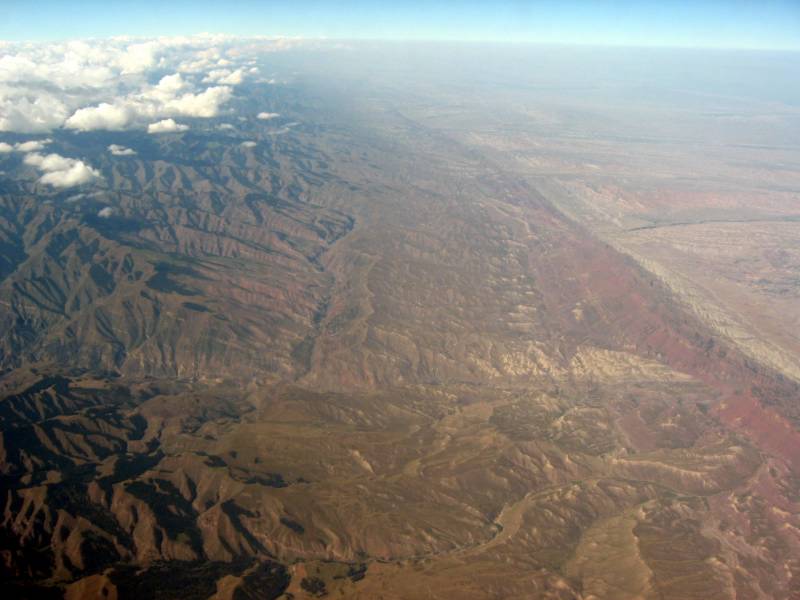
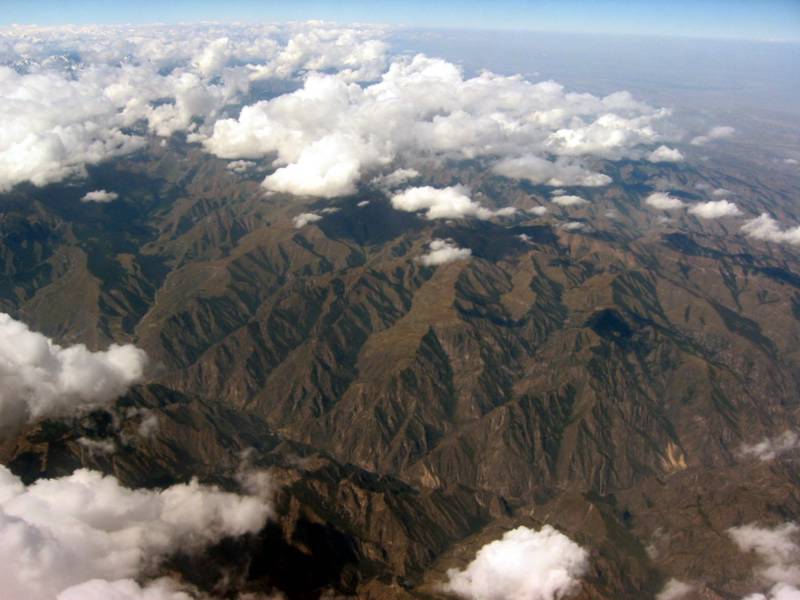
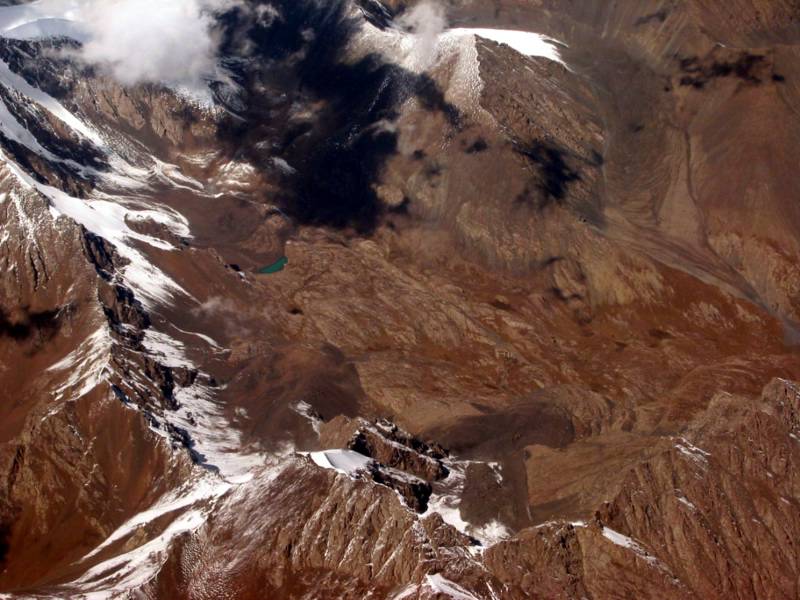
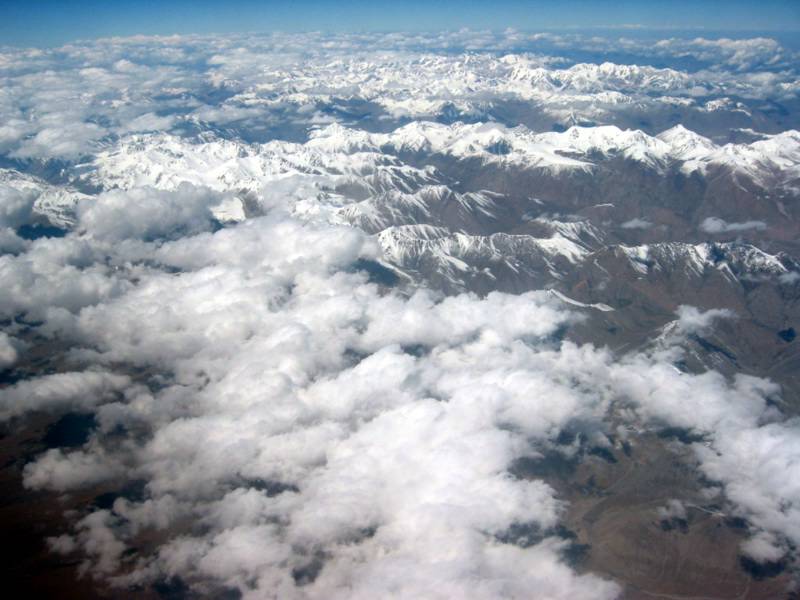
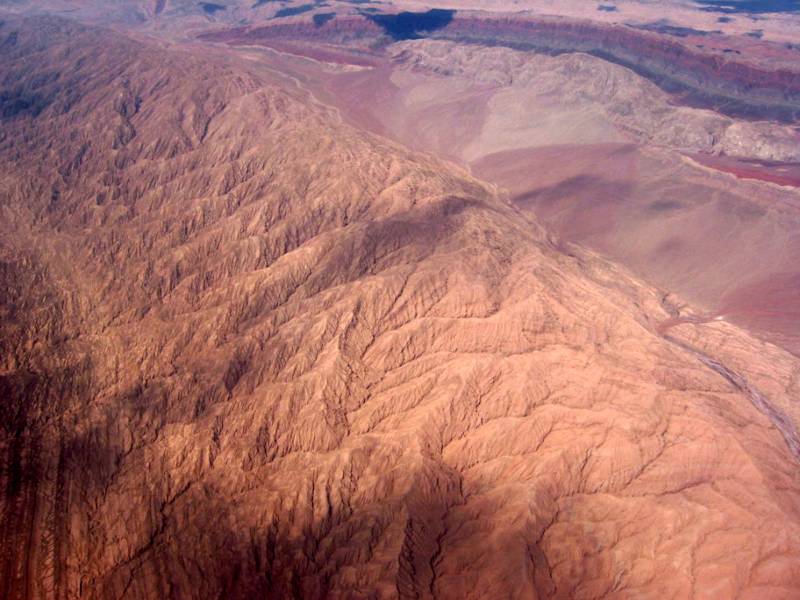
新疆的天山山脉。
Tian Shan (or Tianshan, Tien Shan, 'the heavenly mountains'), Xinjiang.
I took the early morning flight from Beijing to Urumqi--the capital city of Xinjiang province (other names: Sinkiang, Tartary, Kasgaria, Serindia; 1/6 of the size of China), and then changed plane to Kashgar. In the spacious and sunny Urumqi airport, I felt as if in a semi-foreign country. Everyone seemed happy and relaxed, with a smile on the face. The shops were selling colorful local handicrafts, travel books, grapes and other delicious fruits. I was happy and eager to go further west. Kashgar (Kashi)--a city with a foreign name, full of mysteries and secrets....
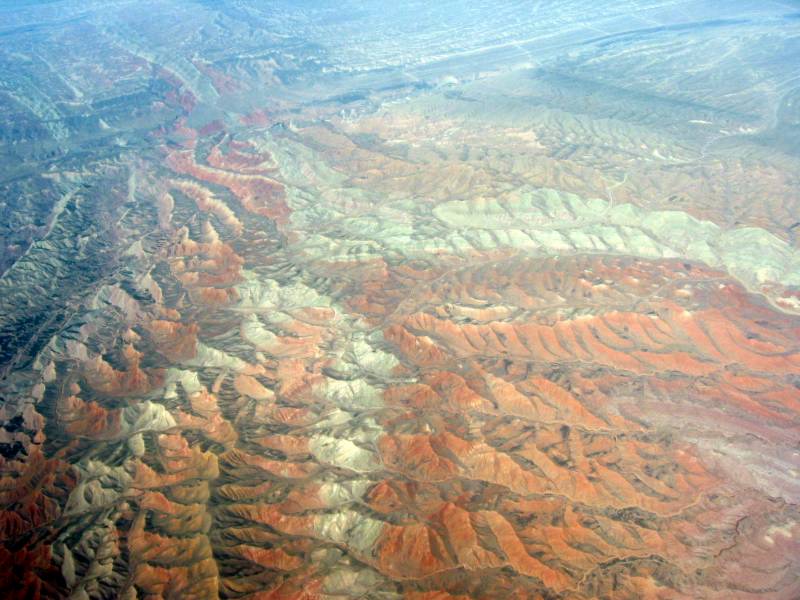
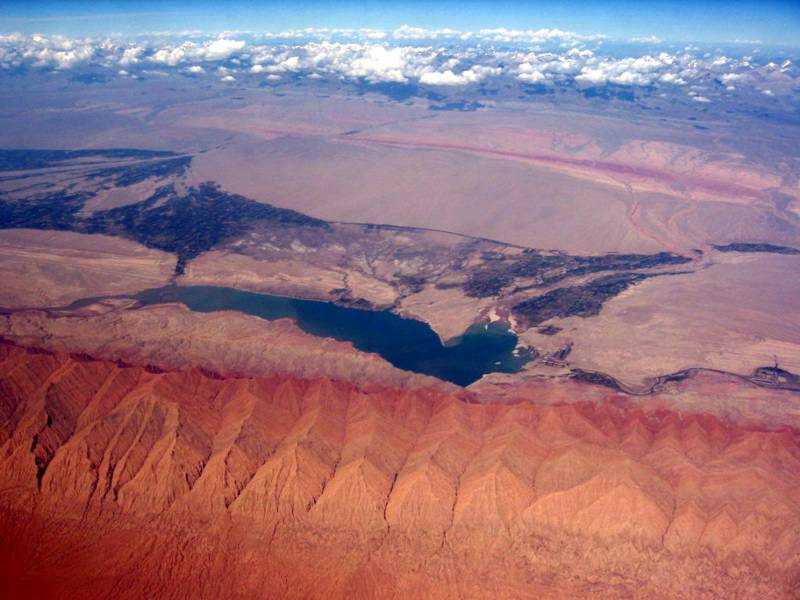
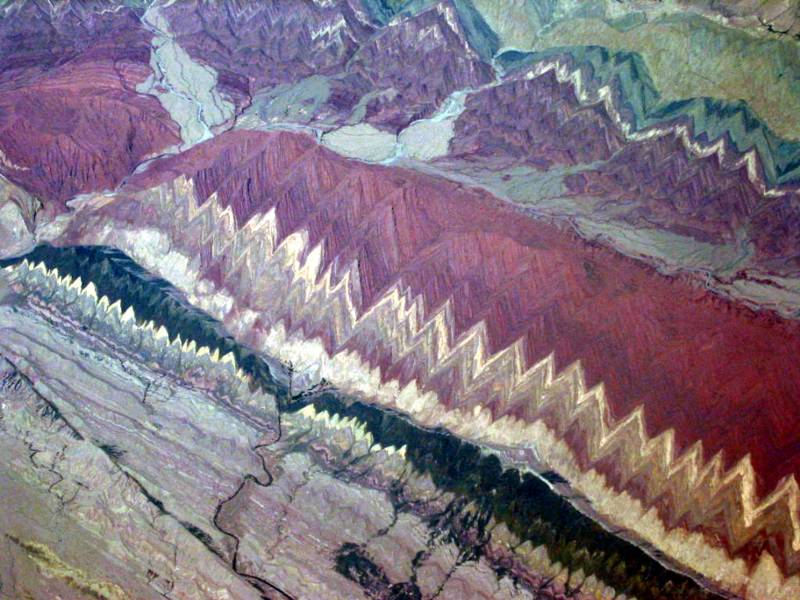
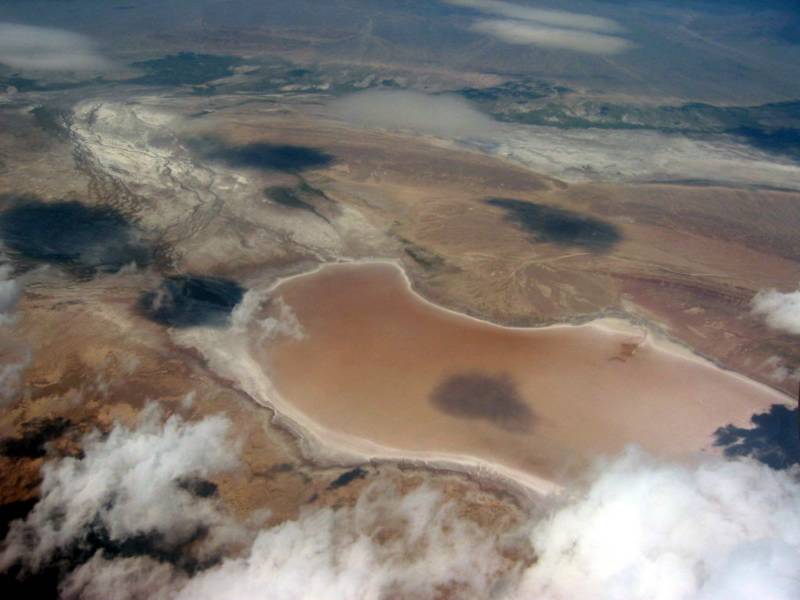
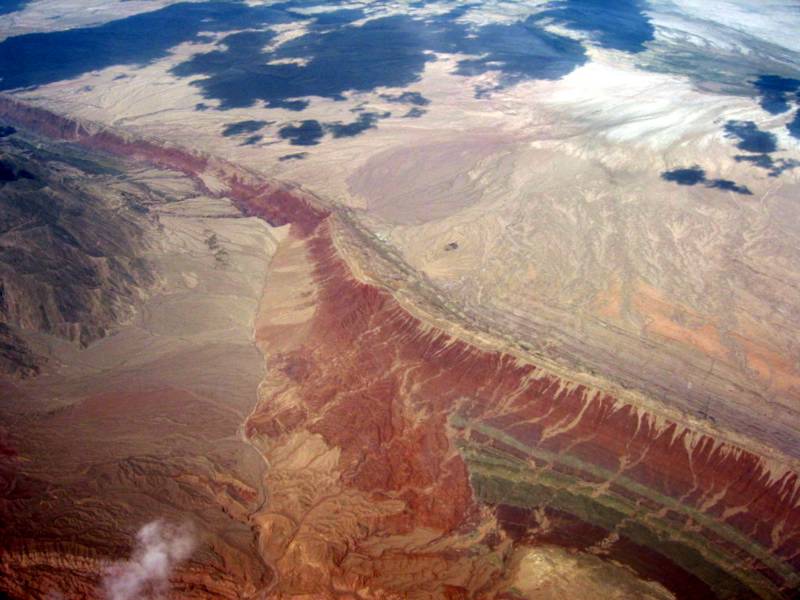
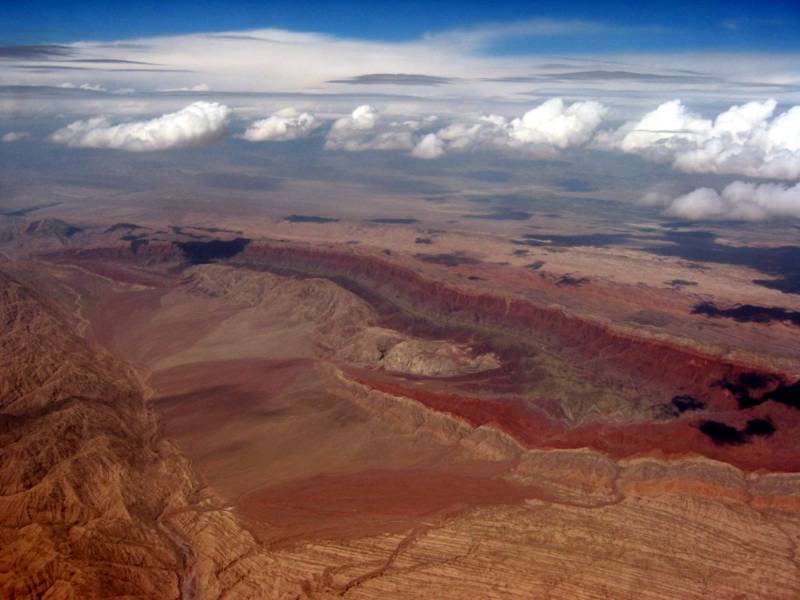
After the plane took off again, I glanced outside the window and was no longer able to draw my eyes back. What vast land! What topography! What mountains! What desert! What oases! What rivers! What on earth is nature doing here? Who is the artist? Who carved the rocks? Who dried the lakes? Who shaped the peaks? Who spread the snow? Who painted the land red and green and white and black and blue and brown and yellow? Who drew those lines, thick and thin, long and short, straight and curvy? And who moved Mars over here?
I thought about some battles between nature and the elements. I sensed a fierce fight of every single molecule here against the sun, the wind, the sky, the clouds, the mountains, the snow, the sand, the earth, the heat, and against one another. Where is man?
Man can never conquer nature. Peace.
从北京到乌鲁木齐,飞过了黄土、沙漠、高原。完全黄色干燥的,没有一丝生命的柔弱。我不知道莫高窟是在什么地方上建造的。当飞机进入新疆上空,窗外是万亩良田,一行行的绿色,十分整洁,但没有欧美、江南的田地那样绿得细腻、水灵。这里的绿也是粗壮的,艳丽的。
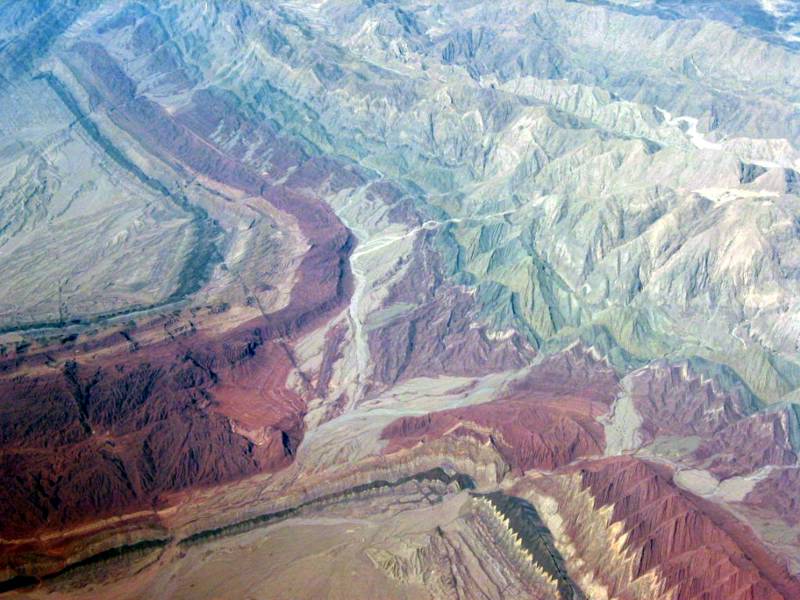
由乌鲁木齐往喀什,先是一望无际的绿洲,然后绿洲一点点被黄沙土侵食,渐渐的是完全的沙漠,无情地在骄阳下暴晒着。忽然间,高山拔地而起,然后是白茫茫的雪山。天山啊!
我 无法呼吸了。壮观啊,这山脉太壮观了!我想用壮烈这个词,只觉得还不够壮烈,不够豪气。莽莽大地上,粗壮的大手在雕着塑着割着画着,热情奔放,使我在飞机 上都强烈地感到那由地心发出的扑面而来的腾腾的热气。烈日毫无遮掩,毫无保留,一切都敞着,一切都在原始元素中拼着夺着,一场你死我活的战争。
有的地势火红如火焰山,有的则一片平沙万里;偶尔有沙漠绿洲,可怜又可傲地与四周的残酷抵争着。公路如细丝带,河流蜿蜒曲折,湖泊呈现出各种各样的颜色--青的绿的棕的红的。那些精美的花纹,又是什么?
我想到了火星。
新疆的地,如此广袤,如此壮丽。只有新疆这样的地,才可称之为大地。
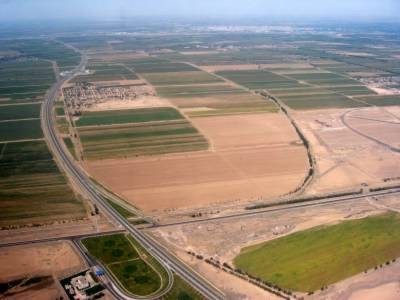
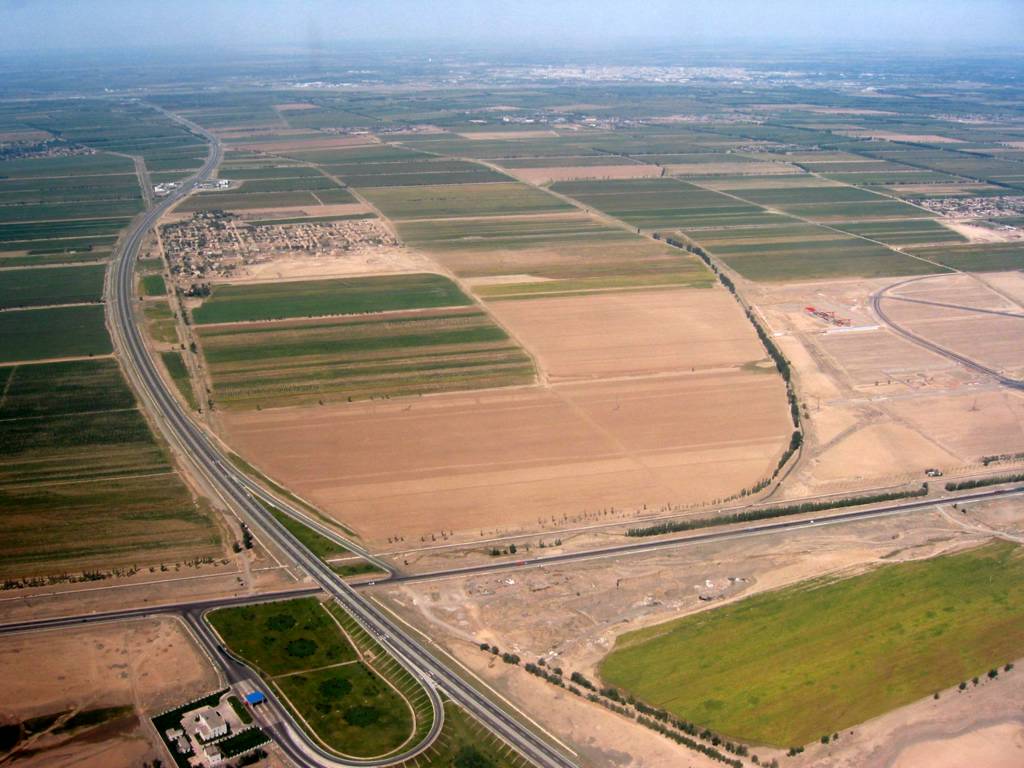
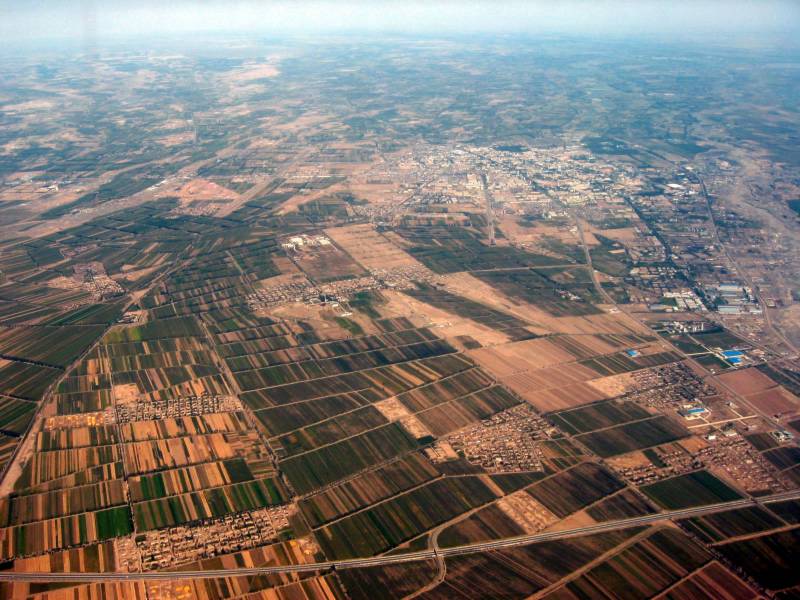
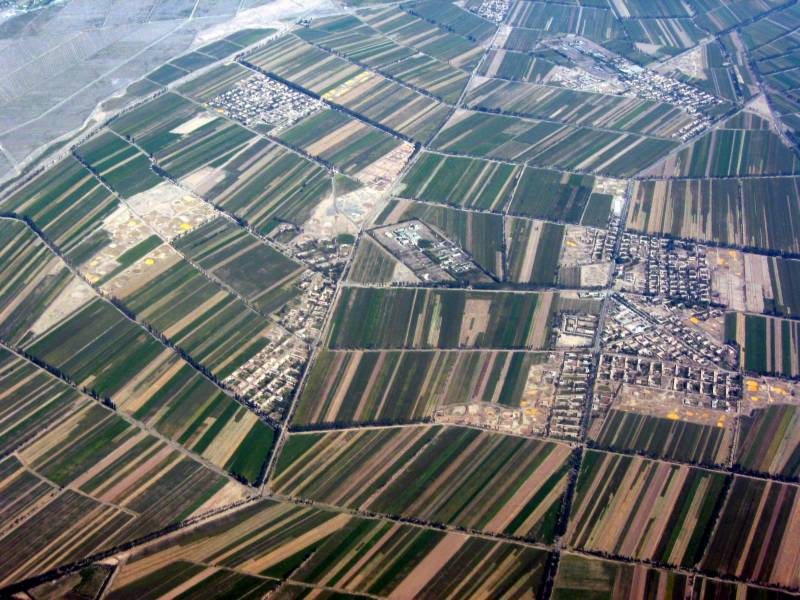
乌鲁木齐
Urumqi from above

乌鲁木齐
Urumqi from above
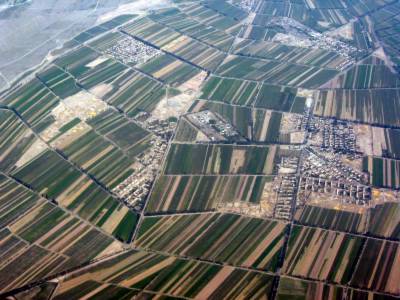
乌鲁木齐
Urumqi from above. Never seen fields this shape before.
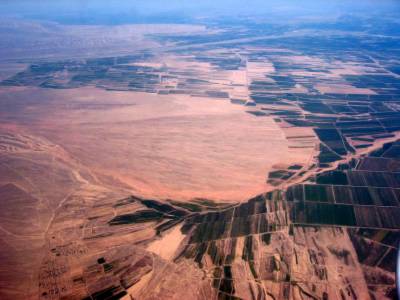
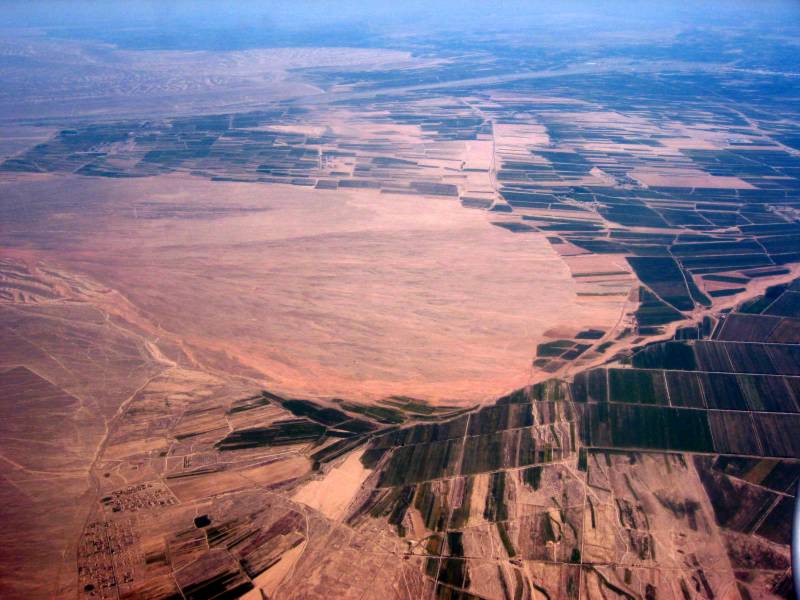
离开乌鲁木齐,城市绿洲被无情的沙漠替代。这里应该是准噶尔盆地边缘。我坐在右窗,飞机自右向左飞,
Leaving Urumqi, the city is being replaced by desert. I think this is part of the Junggar Basin. I sat on the right, so the plane flew from right to left.
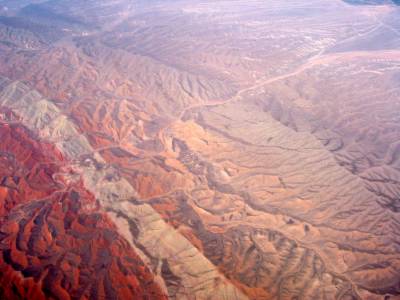
进入沙漠?
Leaving Urumqi, entering, desert?
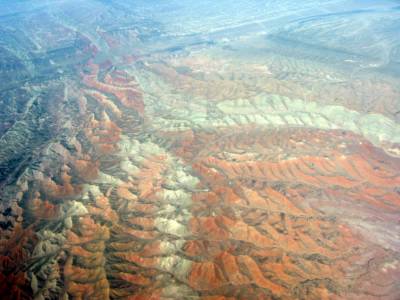
大地的花纹。
Beautiful patterns of the earth.

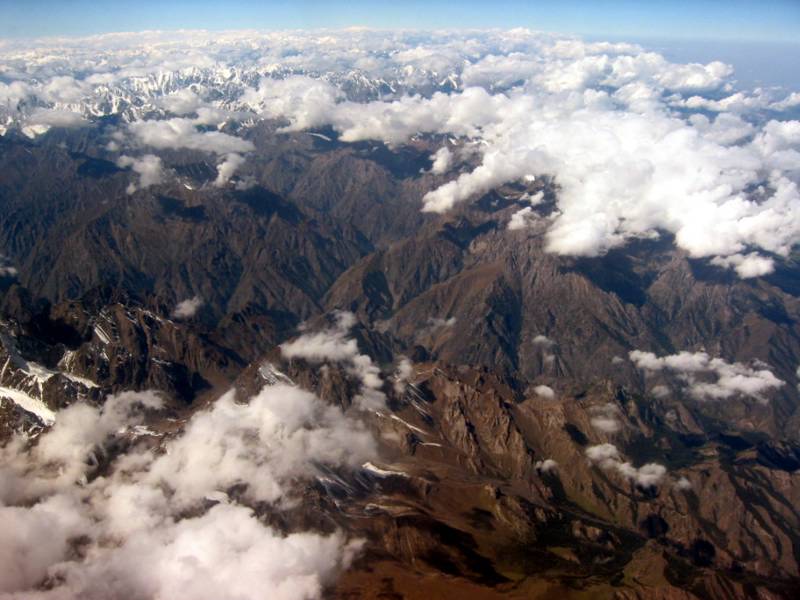
进入天山!
Entering Tianshan mountain range.
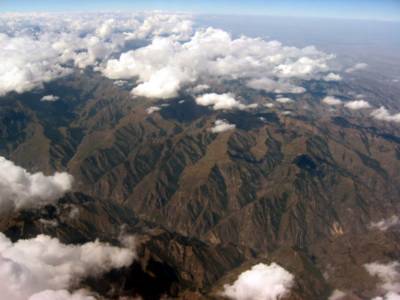
天山山脉。
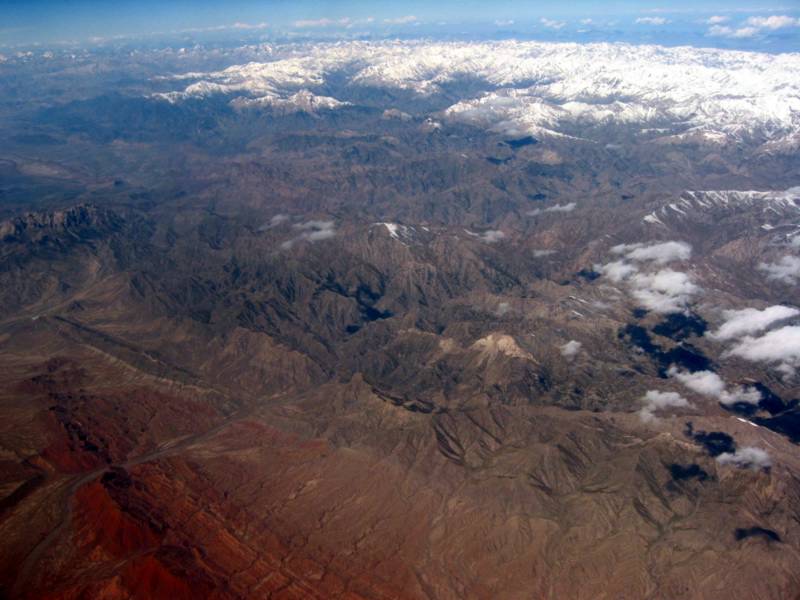
Tianshan Mountains.
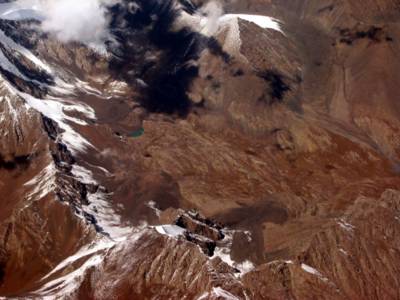
天山山脉。
Tianshan Mountains.
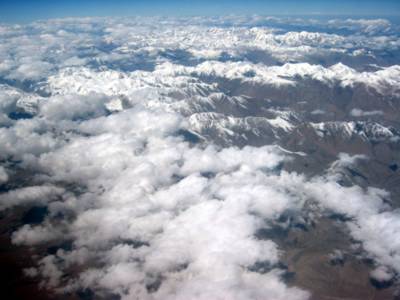
天山山脉。雪山。
Tianshan Mountains. Snow covered peaks.
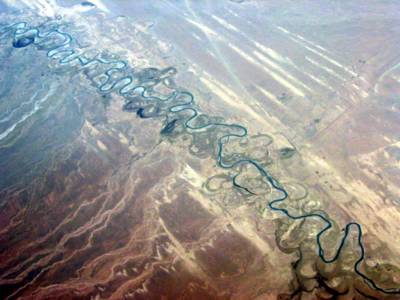
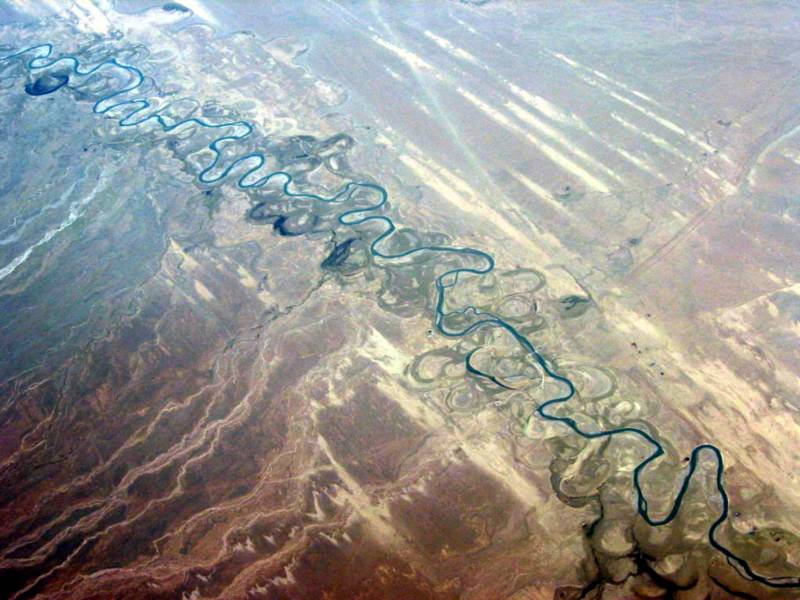
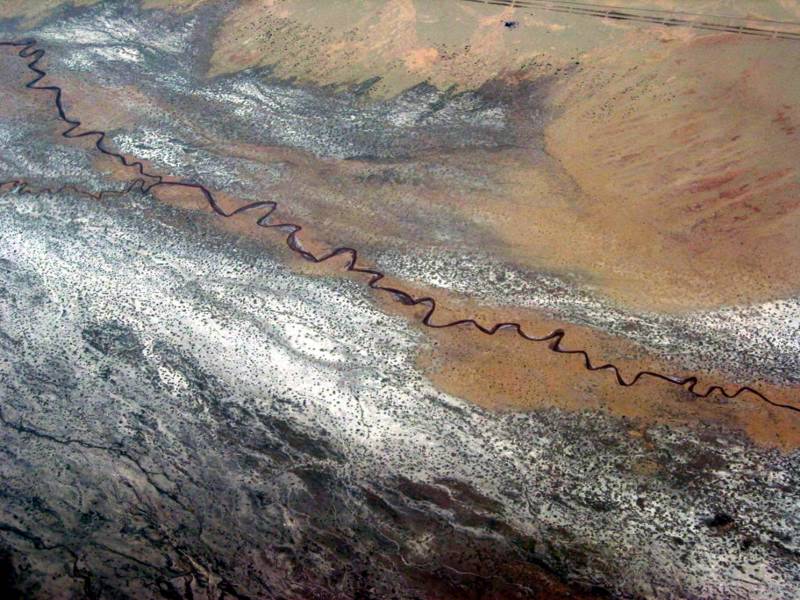
天山山脉中的一条河。这才叫蜿蜒曲折。
A river in TianShan mountain range. (Photo level automatically adjusted in photoshop.)
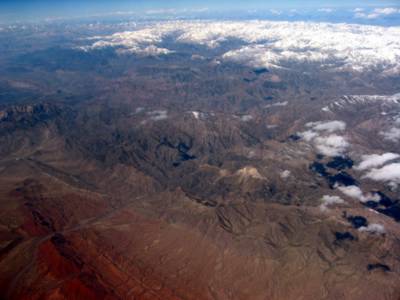
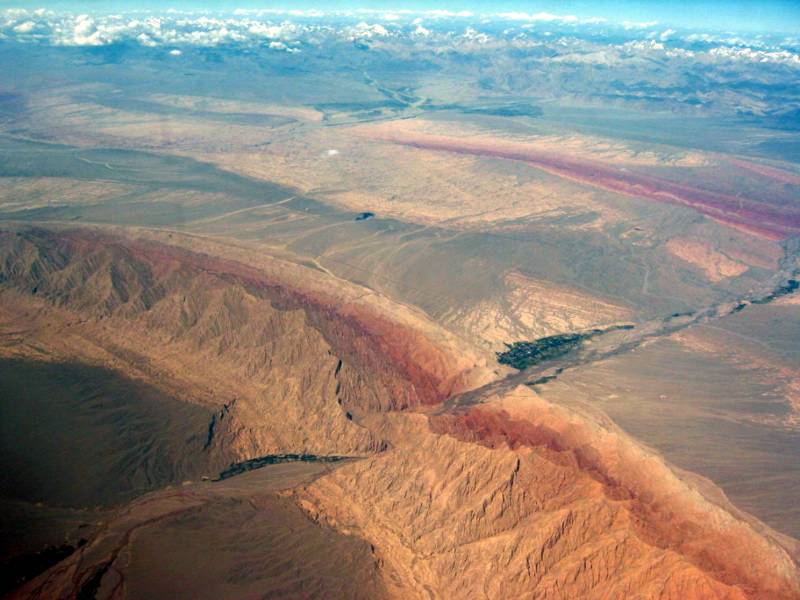
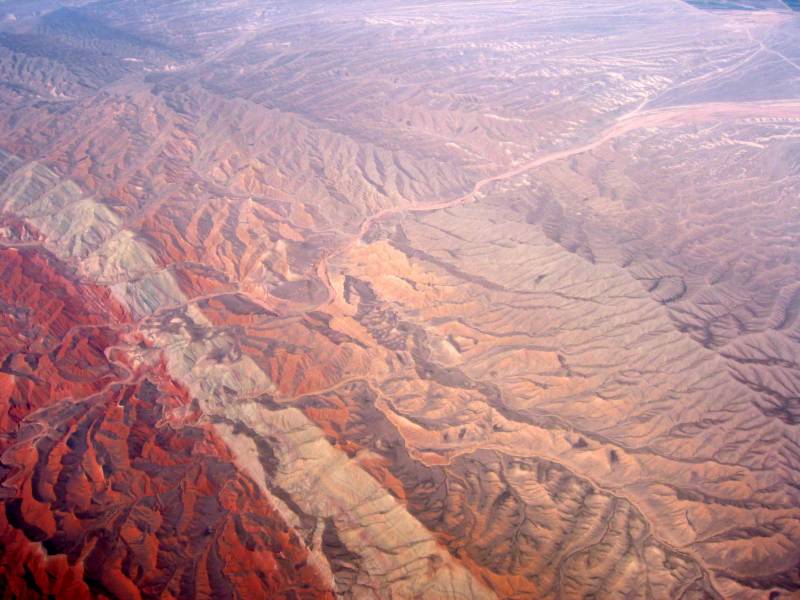
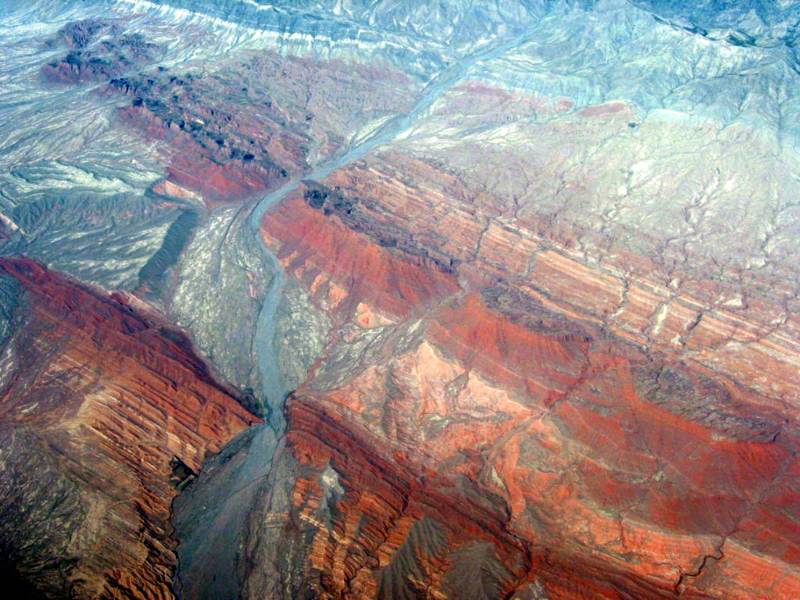
天山山脉。 高山与红岩的聚会。
Tianshan Mountain range. Negotiation between mountains and rocks.
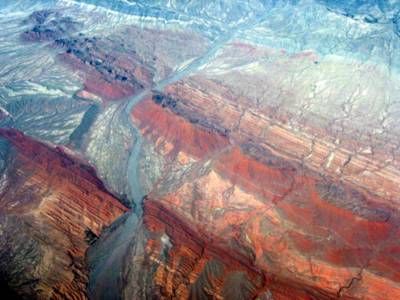
天山山脉。 这是什么?旧河吗?
Tianshan Mountains. And an old river?
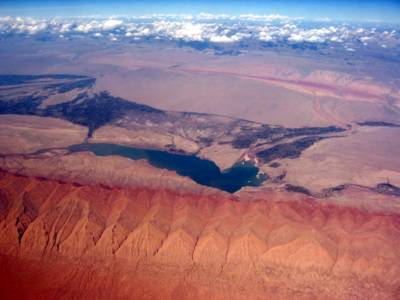
天山的一处。湖吗?岩石吗?绿洲吗?沙漠吗? 同上。
Tianshan Mountains. A rocky section. Is there a lake? An oasis? Or more desert?

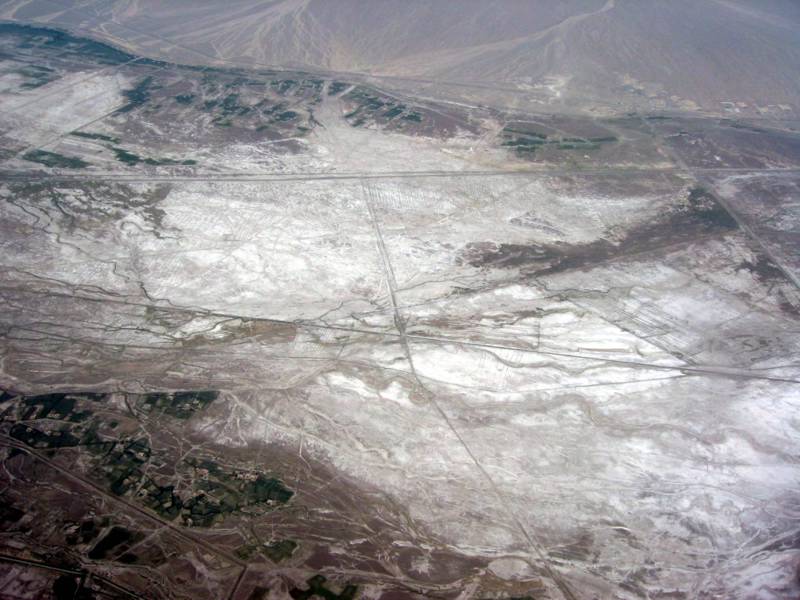
白色的是矿物吗?曲折的是河流吧。
White minerals? I see a river.
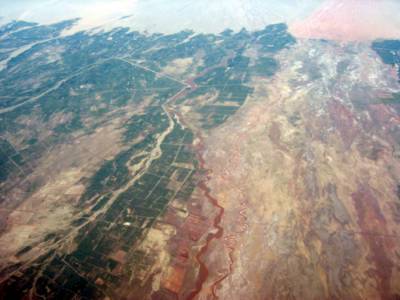
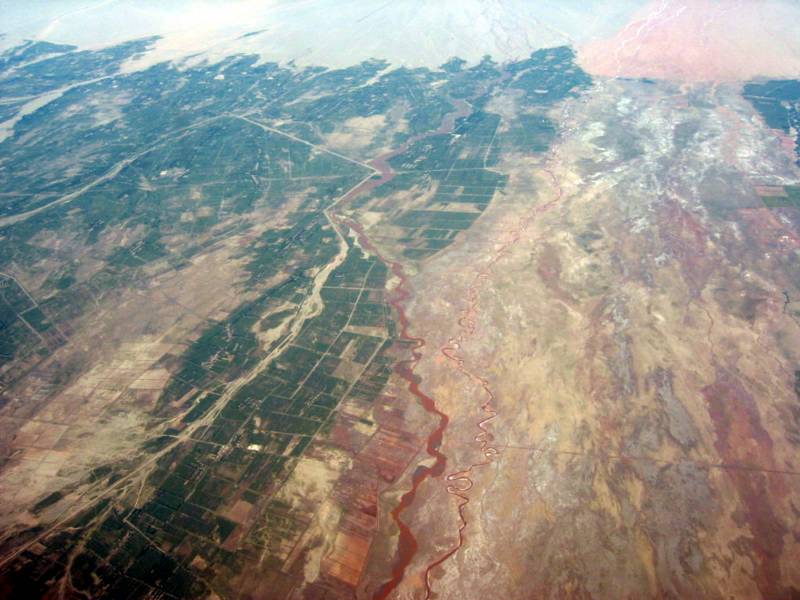
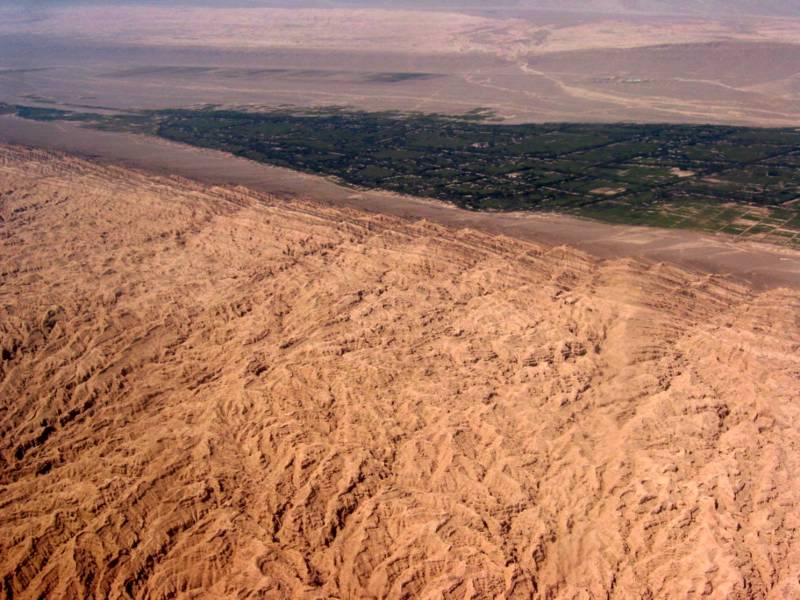
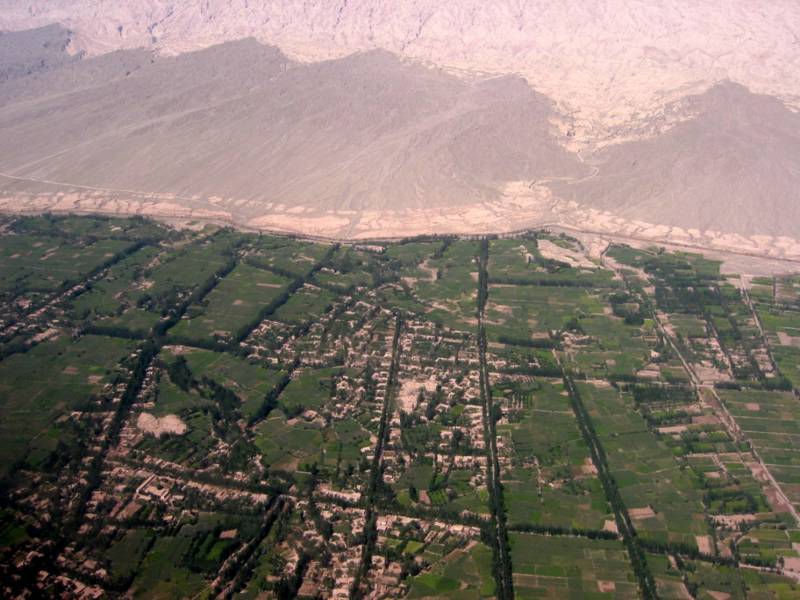
沙漠绿洲。是阿克苏吗?
An Oasis in the desert. Maybe Aksu?
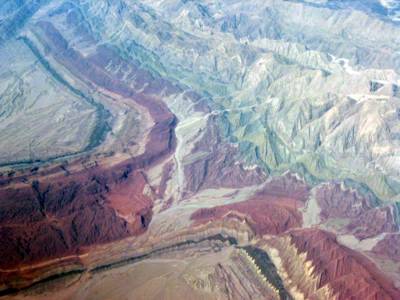
我见到的最神奇的地势。谁知道我们看到的是什么?为什么会有那么规则的花纹?红色是什么?绿色?棕色?白色?下图将右下脚的细节放大。
The most amazing geography I have ever seen. Details is below. If anyone knows what we are seeing, please write your comment down below.

大地的花纹?
Patterns of the earth.

好象是沙漠上的湖。天山以南是塔里木盆地,塔克拉玛干沙漠。
Looks like a lake in the desert. South of Tianshan mountain is Tarim Basin, where Taklimakan Desert is located.
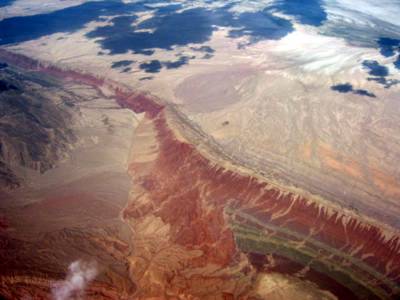
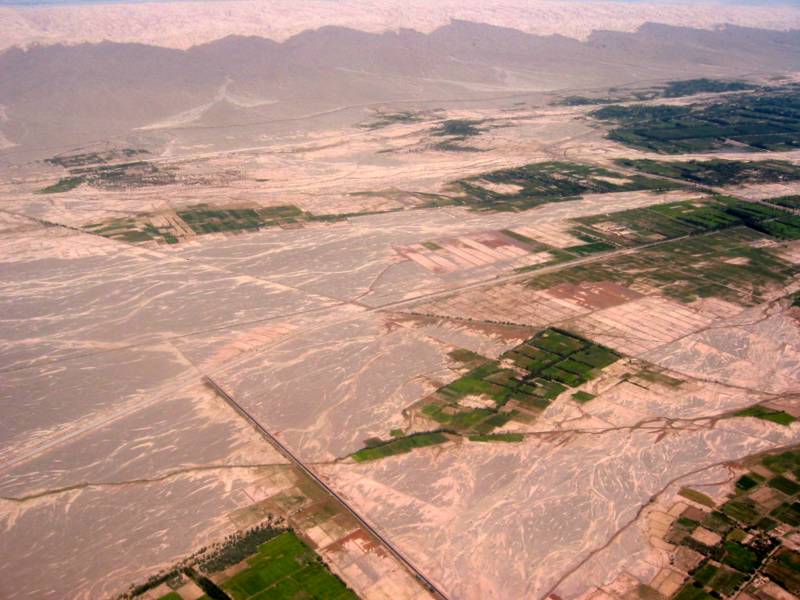
沙漠的花纹。
Desert and patterns. Looks like some bacon in the lower right corner.
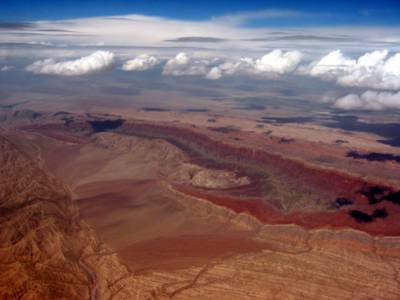
塔里木盆地北边的山,还是天山。
Tarim Basin or Tianshan mountain.
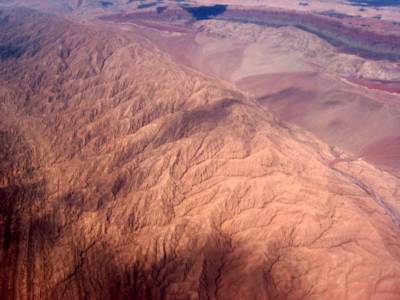
两种地势。
Earth and Earth.
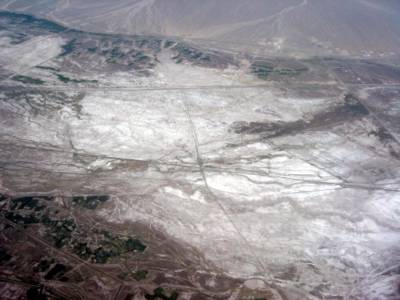
沙漠绿洲。矿物质吗?
Oasis and minerals?
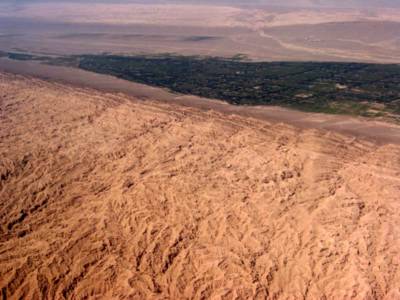
沙漠绿洲。这里就是喀什。
Kashgar, an oasis on the west of Tarim Basin. Or Mars.

欧洲的火星快车拍摄的火星。
Mars, by Mars Express.

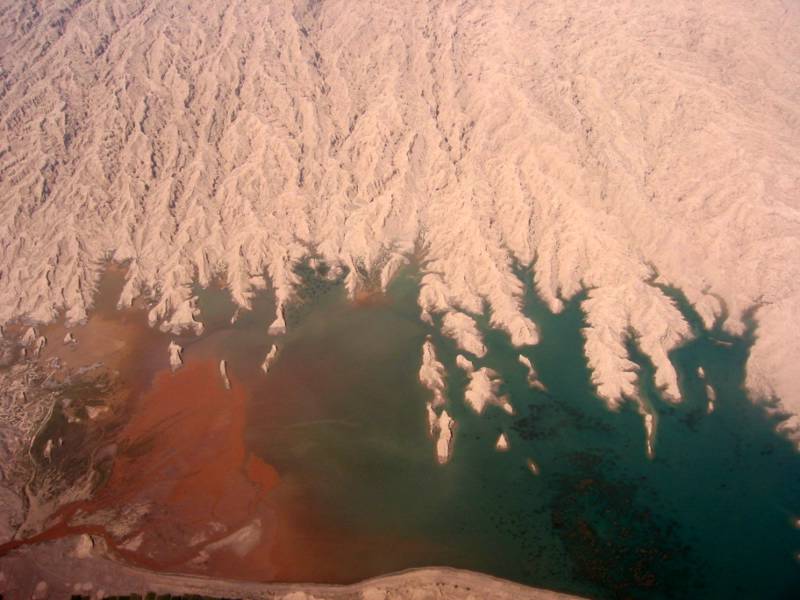
彩色的湖?
A colorful lake?

欧洲的火星快车拍摄的火星。
Mars, by Mars Express.
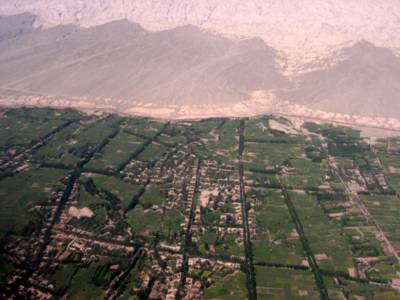
喀什。
Kashgar.
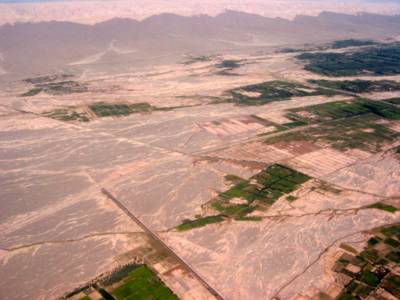
喀什,最西边的沙漠绿洲。
Kashgar, and desert.
 Tickets bought at Beijing Grand Hotel
PEK->URC HU 7245 04SEP 0800 CNY1500.00 total
URC->KHG CZ 9903 04SEP 1320 CNY 670.00 total